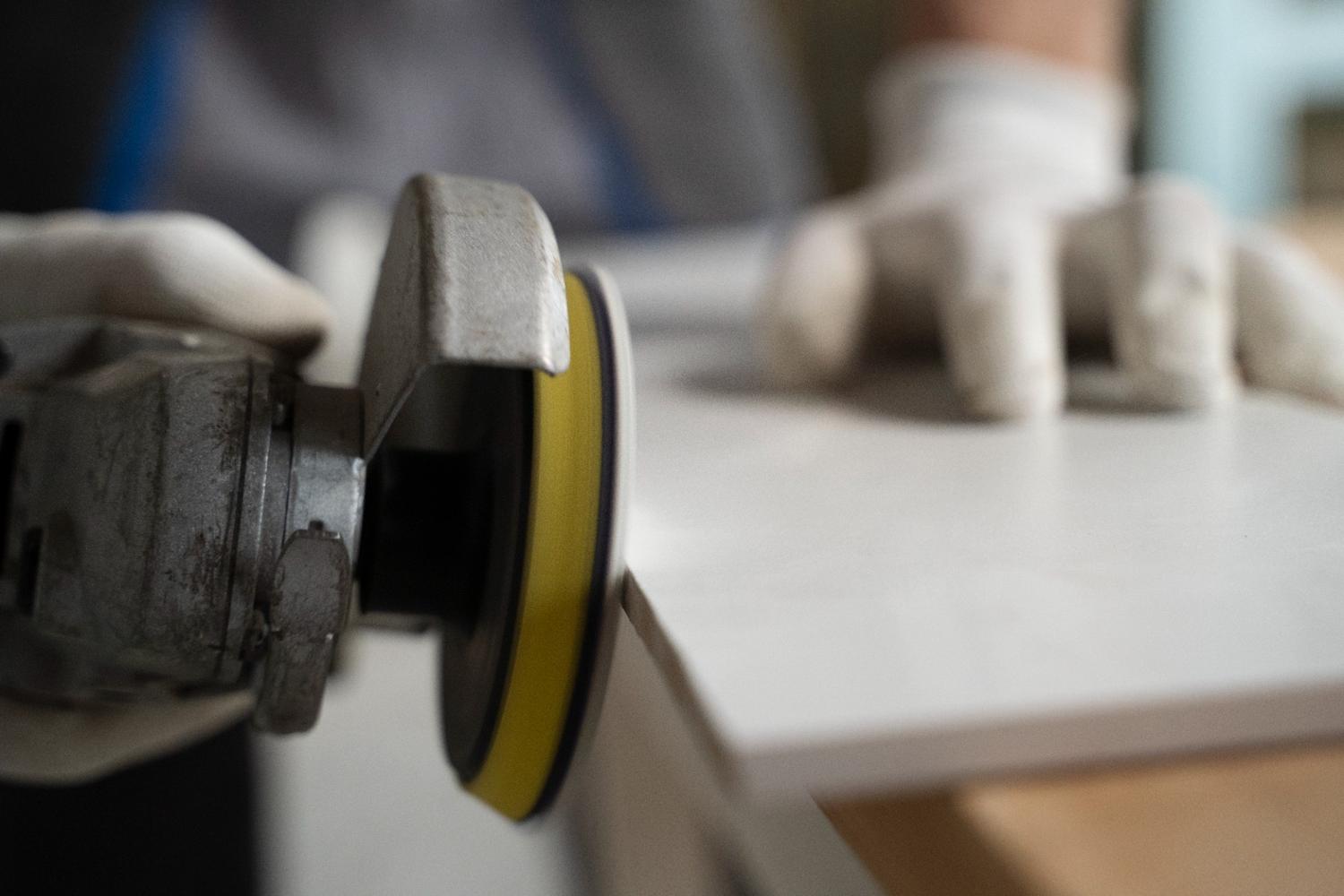
Lorem ipsum dolor sit amet consectetur adipisicing elit. Voluptatibus fugit, tempora nisi quisquam
amet asperiores a excepturi voluptatem recusandae suscipit quae cupiditate et officiis pariatur
voluptas ullam commodi obcaecati repellat nobis quasi consequuntur assumenda.
How to Choose the Right Abrasives for Metal and Wood Projects
Choosing the right abrasive is essential for achieving a smooth, accurate and professional finish on both metal and wood surfaces. Abrasive selection affects cutting speed, material removal rate, surface refinement and overall efficiency. Whether you work in metal fabrication, carpentry, maintenance or industrial production, understanding the best abrasive types, minerals and grit levels ensures better performance and higher quality results.
Understanding Abrasives and Their Role in Surface Preparation
What Abrasives Are Designed to Do
Abrasives are materials used to cut, smooth or refine a surface through friction. They are available as sandpaper sheets, sanding belts, abrasive discs, flap discs, grinding wheels and polishing wheels. Each abrasive uses mineral grains to remove material at varying levels of aggressiveness.
Why Abrasive Minerals Matter
Aluminum oxide is durable and suitable for most woodworking tasks. Silicon carbide provides a sharper cutting action that is ideal for precision finishing and harder metals. Zirconia and ceramic abrasives are used for demanding metal removal because they perform well under heat and pressure. Selecting the right mineral is the first step toward a controlled and consistent finish.
How Grit Size Affects Finish Quality
Coarse Grits for Quick Material Removal
Grit sizes from 24 to 40 are used for heavy stock removal on metal and for shaping uneven wood surfaces. These grits remove material quickly but leave visible scratch marks that must be refined with finer grits.
Medium Grits for General Sanding
Grits from 60 to 150 are commonly used in woodworking. These levels smooth wood surfaces and prepare them for finishing. They are suitable for leveling, removing small imperfections and achieving an even surface.
Fine Grits for Surface Refinement
Grits from 180 to 220 prepare wood for stain or paint. On metal surfaces, grit levels above 320 create a smooth and uniform finish. Extremely fine grits, ranging from 800 to 2000, are used for high gloss polishing and mirror finishing.
Why Grit Progression Matters
Starting with a coarse grit and moving gradually toward finer grits ensures that scratches are reduced at each stage. This progression creates a balanced and predictable finish without additional sanding time.
Choosing the Right Abrasives for Metal Projects
Best Abrasives for Heavy Metal Grinding
Metal grinding requires abrasives that withstand heat and pressure. Grinding wheels are used for weld removal and shaping metal edges. Ceramic belts maintain sharpness during continuous use and are preferred for industrial grinding.
Abrasives for Cutting and Shaping Metal
Cut off wheels provide precise cutting performance for rods, pipes and sheets. They offer clean and efficient metal separation with minimal surface damage.
Abrasives for Blending and Finishing Metal
Flap discs are effective for blending weld seams and smoothing rough edges. Non woven abrasives and polishing wheels are used for stainless steel and aluminum finishing because they produce consistent and scratch free surfaces.
Selecting the Correct Mineral for Metal
Zirconia and ceramic are best for high pressure and high heat tasks. Silicon carbide is preferred for precision or fine finishing on harder metals.
Choosing the Right Abrasives for Wood Projects
Abrasives for Rough Wood Preparation
When leveling uneven wood or removing rough material, 60 to 80 grit aluminum oxide sandpaper provides effective shaping without damaging the grain.
Abrasives for General Wood Sanding
Grits between 100 and 150 are widely used before applying primer, paint or finish. These grits remove small imperfections and create a smooth, even surface.
Abrasives for Final Surface Preparation
Grits from 180 to 220 create surface readiness for stain or paint. They ensure that the final coating adheres properly and appears uniform.
Choosing the Right Tools for Wood Sanding
Random orbital sanders with quality sanding discs prevent swirl marks and improve efficiency. Sanding sponges are ideal for curved edges and areas requiring delicate pressure.
Difference Between Coated and Bonded Abrasives
Coated Abrasives for Finishing and Surface Preparation
Sandpaper sheets, sanding belts and discs are coated abrasives. They have abrasive grains attached to a flexible backing. Their flexibility makes them ideal for wood sanding, paint preparation and fine metal finishing.
Bonded Abrasives for Heavy Cutting and Grinding
Grinding wheels and cut off wheels are bonded abrasives. They are formed by combining abrasive grains with bonding materials. Bonded abrasives offer the strength required for aggressive cutting and heavy grinding on metal surfaces.
How to Choose Between the Two
Use coated abrasives when you need flexibility, controlled material removal and surface refinement. Use bonded abrasives when you require rigidity, high pressure and aggressive cutting performance.
Common Abrasive Selection Mistakes
Using the Wrong Grit at the Wrong Stage
A very coarse grit on soft wood causes deep scratches. A very fine grit at the beginning of sanding results in slow progress.
Selecting the Wrong Abrasive Mineral
Different materials require different mineral strengths. Using the wrong abrasive can cause overheating or uneven cutting.
Applying Excessive Pressure
Pressing too hard shortens abrasive life and risks damaging the surface. Proper pressure ensures consistent performance.
Using the Same Abrasive for Wood and Metal
Each material requires a different approach. Wood needs gentle cutting while metal requires durability and heat resistance.
How to Improve Abrasive Lifespan
Use Correct Pressure and Technique
Allow the abrasive to cut naturally rather than forcing it into the material.
Clean Abrasives Regularly
Use a rubber cleaning block to remove buildup from sandpaper and sanding discs.
Monitor Heat Levels on Metal
Allowing metal to cool between grinding passes prevents abrasive glazing.
Store Abrasives Properly
Abrasives should be kept in dry, stable environments to prevent moisture damage and maintain performance.
AI Overview
Learn how to choose the right abrasives for metal and wood projects with expert guidance on abrasive types, grit selection and finishing techniques for smooth, precise results.
FAQs
What is the best abrasive for woodworking?
Aluminum oxide is the best abrasive for woodworking because it cuts consistently and lasts long on both soft and hard wood.
When choosing an abrasive for a job, what should you consider?
Consider the material type, abrasive mineral, grit size and the finish you want so the abrasive matches the task.
What is the best abrasive for metal?
Zirconia and ceramic abrasives are the best for metal because they resist heat and offer fast cutting performance.
Which abrasive is used on wood?
Aluminum oxide sandpaper is most commonly used on wood because it sands smoothly without damaging the grain.
Conclusion
Selecting the right abrasive requires understanding the material, abrasive mineral and grit sequence needed for your intended finish. Wood generally performs best with aluminum oxide abrasives because they cut smoothly and offer long life. Metal requires stronger options such as zirconia, ceramic or silicon carbide to handle the high pressure and heat generated during grinding. By choosing the correct abrasive and working in a proper grit progression, you achieve cleaner surfaces, faster results and a higher quality professional finish.Our team of experts at Yusuf Al Yousfi Building Materials Trading are dedicated to providing you with top of the line service and expertise for your metal projects. Contact us today to learn more about choosing the right abrasive for your metal parts and to begin planning for further metal finishing services including electropolishing, pickling and passivation.
Explore More Expert Insights
Learn about comprehensive marine, oilfield, and building material solutions, from ship-chandlery and deck hardware to tools, fasteners, and general supplies.